
What Exactly Is a Boundary Survey?
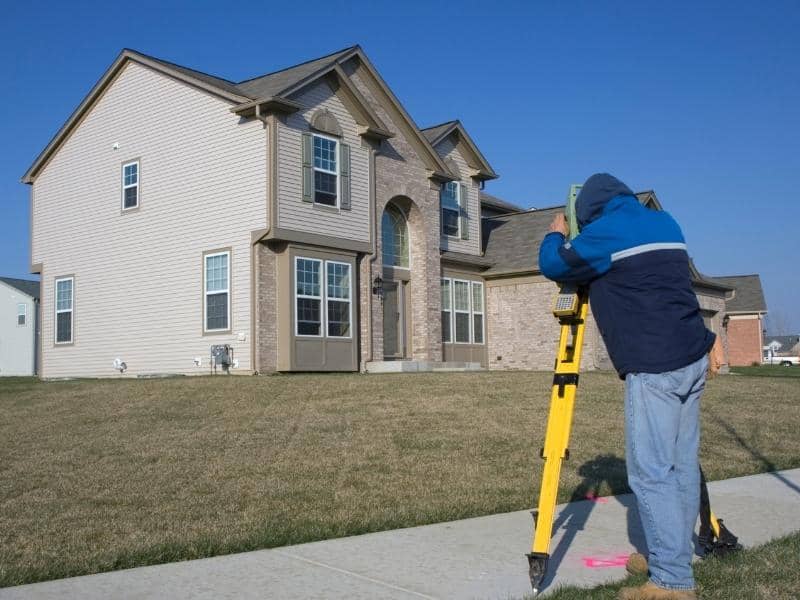
A boundary survey is one of the most common types of land surveys requested by homeowners. If you own property, there is a good chance you will need one at some point. But a lot of people are not sure what it actually involves or what it tells you. This article covers exactly that.
What a Boundary Survey Does
A boundary survey defines the legal edges of your property. It shows where your land begins and where it ends on all sides.
A licensed land surveyor does two things to complete it. First, they research recorded deeds, plat maps, and prior surveys at the county level. Then they go out to the property and take physical measurements to locate and confirm the corners.
The result is a legal document and a map showing your exact property lines. It is not an estimate. It is a measured, verified record that holds up in court, at the permit office, and at the title company.
What Shows Up on a Boundary Survey
Most people expect a boundary survey to just show four lines around their property. It shows more than that.
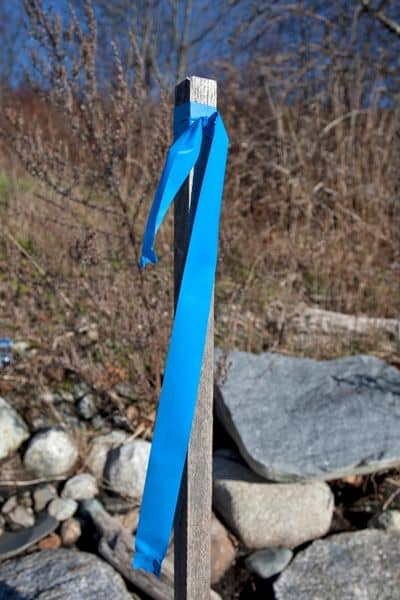
A complete boundary survey typically includes:
- Property corners. Physical markers placed at each corner of the lot.
- Boundary lines. The measured lines connecting each corner.
- Encroachments. Structures or features from a neighboring property that cross into your lot, like a fence, shed, or driveway.
- Easements. Legal rights that allow others to use part of your property for a specific purpose, such as a utility corridor or shared access path.
- Setback lines. The minimum distances a structure must sit from a boundary, as required by local zoning rules.
- Adjoining property references. Notes on neighboring parcels and any recorded shared boundaries.
Each of these details matters. Knowing about an easement before you build an addition can save you from tearing it down later. Spotting an encroachment before closing can change the terms of a sale.
When You Actually Need a Boundary Survey
Not every property situation requires a boundary survey. But several common ones do.
Before Building a Fence
A fence built on the wrong side of a property line is a legal problem. It can trigger a dispute with your neighbor, require removal, and complicate a future sale. A boundary survey removes the guesswork before the first post goes in. If you want to explore this topic further, the article on getting a property survey before building a fence goes into more detail on the fence-specific process.
Before an Addition or New Structure
Most local governments require a boundary survey before issuing a permit for a new structure. They need to confirm the planned construction falls within your lot and meets setback requirements.
When You Are Buying Vacant Land
A mortgage location survey, which most lenders require for a standard home purchase, does not physically stake corners or hold up for construction purposes. When you are buying raw land or a lot without an existing structure, a boundary survey gives you a clearer, more complete picture of what you are actually purchasing.
When a Dispute Comes Up
If a neighbor puts up a structure that seems to cross onto your land, or if you receive a complaint that your improvement is on theirs, a boundary survey provides the measured, legal answer. It is far more reliable than old surveys, visual estimates, or what the previous owner told you.
How a Boundary Survey Is Different From a Property Description
Your deed includes a written legal description of your property. That description might use metes and bounds language, lot and block references, or both. It is a written record of the boundary, not a measured one.
A boundary survey takes that written description and turns it into a physical, measured result on the ground. The two should match. When they do not, the surveyor documents the discrepancy, and that information becomes part of the official record.
This is why a boundary survey is more reliable than simply reading your deed and assuming the description is accurate. Older descriptions in particular can contain errors, use landmarks that no longer exist, or reference prior surveys that were never fully verified.
How Long It Takes and What It Costs
A standard residential boundary survey typically takes a few days from start to finish. The research phase happens first, in the office. Fieldwork follows. The final plat or map is then prepared and certified.
Cost depends on lot size, terrain, and how much historical research is needed. As a general guide, residential boundary surveys typically range from $300 to $700. Properties with complicated histories, heavily wooded lots, or unclear prior surveys can cost more because they require additional time in both the office and the field.
What Happens After the Survey
Once the survey is complete, the surveyor provides a signed and sealed plat or boundary map. In Alabama, this document can be recorded with the county probate office to create an official public record.
Physical corner markers are usually set as part of the process. These are typically iron pins or rebar driven into the ground at each corner. They serve as the permanent physical reference for your boundary lines going forward.
Keep the survey documents with your property records. If you sell the property, refinance, or apply for permits in the future, having a recent survey on file saves time and can reduce costs.
Frequently Asked Questions
What is the difference between a boundary survey and a property line survey?
They refer to the same thing. Some people use the term property line survey and others say boundary survey. Both describe the process of measuring and documenting the legal edges of a parcel of land.
Does a boundary survey need to be recorded in Alabama?
Recording is not always required, but it is recommended. Recording the survey plat with the Tallapoosa County Probate Office creates a public record that protects you if questions about your property lines come up later.
Will a boundary survey show underground utilities?
No. A boundary survey documents the legal lines and surface features of your property. It does not locate underground pipes, cables, or utility lines. For underground utility locations, contact Alabama 811 before any digging project.
What if the survey reveals my neighbor’s fence is on my property?
That depends on how long the fence has been there and what your goals are. Alabama has specific laws around adverse possession and encroachments. A licensed surveyor documents the encroachment. What you do with that information is a decision for you and, if needed, a property attorney.
Can I use old survey stakes to determine my property lines?
Old stakes can serve as a reference, but they should not be treated as definitive. Stakes can shift, be removed, or have been placed incorrectly to begin with. A licensed surveyor verifies corners through measurement and records research, not just the presence of an existing marker.