
Why Lakefront Commercial Properties Have Hidden Access Issues And How an ALTA Survey Finds Them
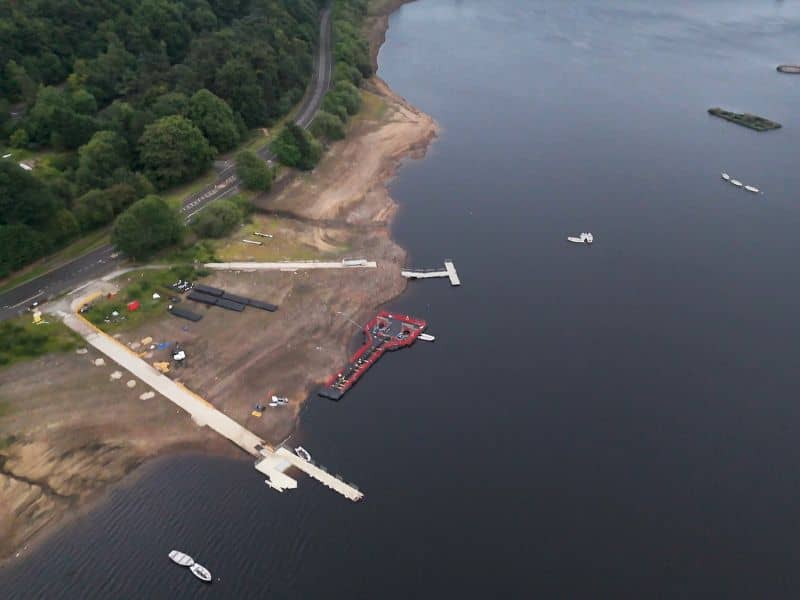
A basic property inspection can show you where a lakefront lot line sits. What it often misses is who else has a legal right to cross that land to reach the water. Waterfront properties carry a tangle of access rights that inland properties rarely deal with. An ALTA Survey is usually the only document that maps out exactly who can use what before a buyer signs a contract.
Lakefront land is highly valuable, meaning everyone wants a piece of it. Utility companies, neighboring businesses, and the public often hold recorded rights tied to a property’s shoreline. These rights do not always show up during a quick site visit.
Shared Easements Near Waterfront Properties Can Impact Future Business Operations
Lakefront commercial properties rarely come without strings attached. Utility companies often hold easements (the legal right to use someone else’s land for a specific purpose) for lines running along the shore. Neighboring property owners might have recorded rights to use a driveway that crosses the land. In some cases, a boat ramp might look like it belongs to one business, but a neighbor might have a decades-old shared right to use it.
These agreements matter because they outlast the people who made them. A boat ramp easement granted to a neighboring marina in the 1980s is usually still valid today. The same goes for utility paths and access roads. Once recorded, they quietly stay attached to the land through every sale that follows.
For a buyer planning to expand a restaurant, build new docks, or add parking near the water, these rights matter directly. A property that looks wide open during a visit might tell a different story underneath. If a third of the shoreline is tied up by an old utility easement, it changes how a buyer plans, prices, and negotiates the deal.
Why Visible Driveways Do Not Always Guarantee Legal Access Rights
A paved entrance looks like permission to drive through, but it isn’t always. Plenty of lakefront commercial properties have a driveway used for years without anyone checking if it matches the legal title records. The pavement exists, but the legal right to use it might not.
This gap shows up often on waterfront lots because lake access has historically been informal. A business might have used a neighbor’s road for thirty years on a handshake understanding. That arrangement works fine for the current owner, but it can fall apart the moment the property changes hands. A new owner has no legal claim to a route that was never properly documented.
An ALTA Survey checks this directly. Surveyors compare the physical driveways on a property against what the title actually grants, flagging any mismatch. If a driveway crosses onto a neighboring lot without a recorded easement, it shows up clearly. This gives buyers the chance to fix the issue or walk away from the purchase.
Lenders and Title Companies Rely on ALTA Surveys for Waterfront Deals
Waterfront commercial property is complex enough that lenders and title companies treat an ALTA Survey as mandatory. A lender financing a lakefront deal needs to know exactly what is attached to the land before approving a loan.
Title companies depend on the survey for the same reason. Waterfront lots tend to carry layers of utility easements, shared access rights, and shoreline agreements built up over decades. An ALTA Survey gives professionals a clear, standardized map to see which issues actually affect the property and need to be fixed before closing.
Because every ALTA Survey follows the same national standard, lenders, title companies, attorneys, and buyers can all review identical findings without confusion. That shared clarity is essential on waterfront deals, where access issues are common and highly consequential.
Waterfront Features to Document Before Closing
Marinas, lakefront restaurants, and waterfront shops tend to have many physical structures built right next to the water. Each of these features should be checked against recorded boundaries before a sale closes:
- Docks and Boat Slips: Their exact locations relative to property lines and shoreline easements.
- Parking Lots: Parking areas built near the water’s edge that may break local zoning or setback rules.
- Retaining Walls: Shoreline walls or barriers that could alter where the boundary line actually sits over time.
Frequently Asked Questions
What is an ALTA Survey used for in a commercial transaction?
It documents boundaries, easements, buildings, and access routes that may affect property ownership and future use.
Why are access rights important for lakefront commercial properties?
Access rights can limit where you can build parking, entrances, and utilities, which changes how you can run or expand your business.
Can an ALTA Survey identify shared access agreements?
Yes. An ALTA Survey maps out physical features and matches them against recorded easements and shared agreements found in title documents.
When should an ALTA Survey be completed?
It is usually performed during the due diligence period (the time allowed for checking a property’s legal status) so buyers and lenders can review the findings before closing the deal.